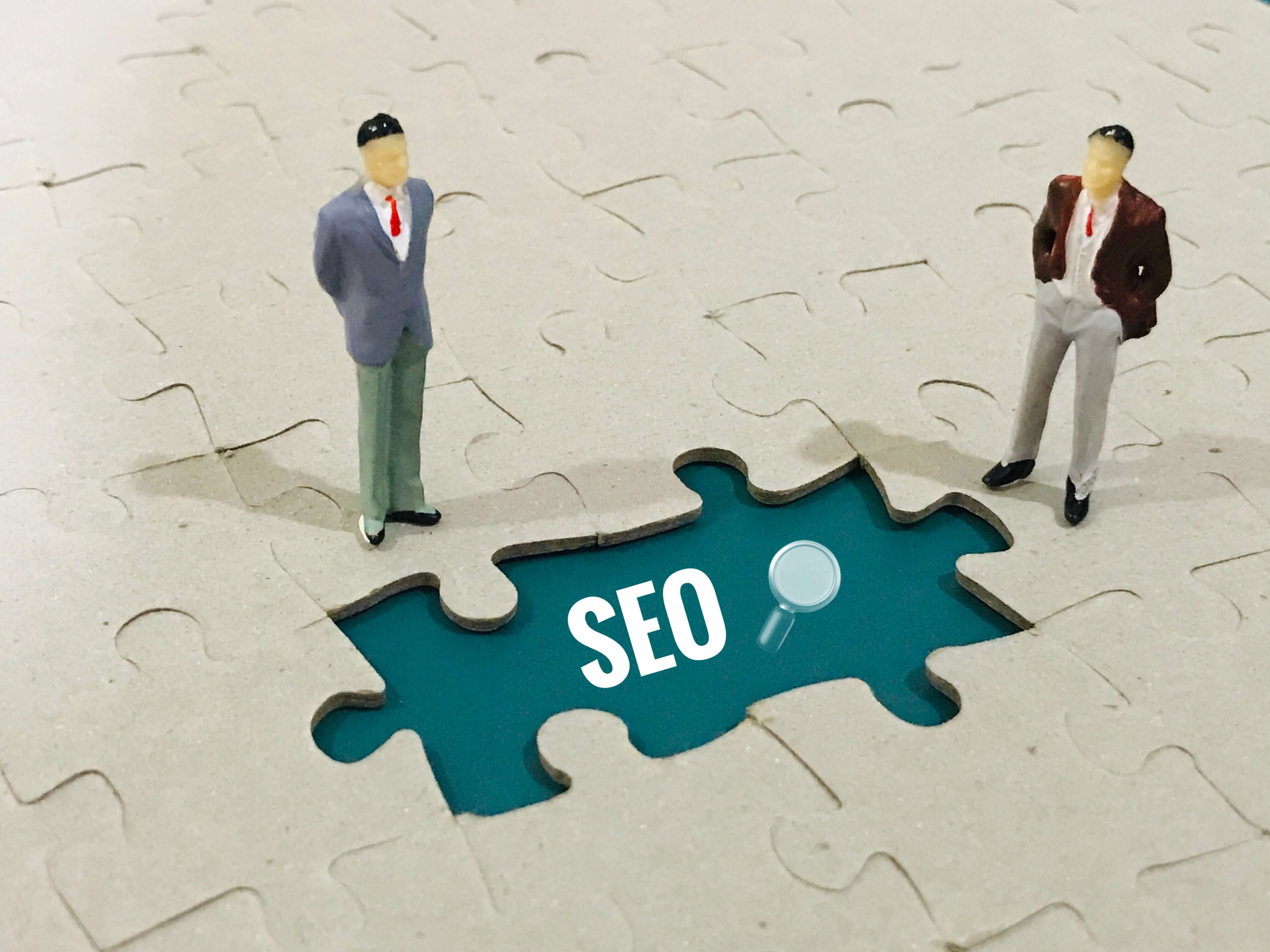


Yes, SEO is worth the money when you hire the right people and follow a proven strategy. The question “is SEO worth the money” gets asked constantly by business owners who have been burned by bad agencies or who see slow results. The truth is that SEO delivers some of the highest returns in digital marketing when done correctly.
69% of marketers actively invest in SEO. Why? Because SEO offers targeted compounding traffic, connects with buyers at every stage, boosts visibility while lowering competitors’ visibility, lowers customer acquisition costs over time, and enhances trust in a brand. These benefits make SEO worth the investment for most businesses.
SEO works for local businesses, e-commerce stores, SaaS companies, and global brands. The main components include keyword research, on-page optimization, content creation, technical SEO, and link building. Each part plays a role in driving organic traffic and generating sales.
Key Takeaways
- SEO is worth the money when you hire experienced professionals who follow current best practices
- Results typically take 3-6 months to appear and compound over time
- Good SEO reduces customer acquisition costs compared to paid advertising
- SEO now fuels visibility in AI-generated answers from ChatGPT, Google AI Mode, and Perplexity
- The wrong SEO agency wastes money, but the right one delivers long-term returns
How to Tell If Your SEO Company Is Working
A good SEO company provides clear deliverables. These include new content for your pages, website audits, do-follow backlinks, and monthly performance reports. They recommend improvements like starting social media channels, adding content to key pages, launching a content marketing plan, and optimizing existing site content.
Your rankings should improve over time. This includes ranking for specific target keywords and maintaining consistent positions. Even if website traffic decreases temporarily, a noticeable rise in revenue can indicate you’re reaching a more qualified, conversion-ready audience.
Bad signs include promises of instant results, focus on keyword stuffing, use of spammy link building tactics, and lack of transparent reporting. If your SEO company cannot explain their strategy in plain terms, that is a red flag.
Is SEO a Waste of Money?
SEO is a waste of money only when you hire the wrong people or invest in outdated tactics. Without a clear strategy and understanding of your business’s specific needs, SEO becomes a costly effort with little return. Many business owners consider it a waste when visible results are lacking after months of investment.
However, with the right knowledge and support, SEO delivers impressive results. It is not just about inserting keywords into content. Effective SEO requires thorough research and understanding of what works for your business. Your chosen keywords should reflect buyer intent and align with your overall marketing strategy.
The companies that call SEO a waste are often the ones who hired cheap agencies that built low-quality backlinks or used black-hat techniques that got their sites penalized. SEO is not a quick fix. It is a long-term investment that requires patience and consistent effort.
Is SEO Worth the Money?
Yes, SEO is worth the money when executed correctly. A well-executed SEO strategy yields long-term rewards in the form of consistent organic traffic, which translates into steady income. Once you have on-page SEO in place, resolve technical SEO issues, and ensure everything functions correctly, the long-term benefits become clear.
Your business enjoys ongoing organic traffic and natural brand growth without recurring ad spend. Unlike paid advertising where you pay for each click, SEO brings visitors for free once your content ranks. This makes SEO worth the investment for businesses that can wait for results.
The decision comes down to whether potential customers are searching for what you sell or for solutions to problems your business helps solve. If the answer is yes to either question, SEO is likely worth the money.
How to Do SEO the Right Way
This is not an exhaustive list, but these elements are key to a successful SEO strategy. Your SEO can fail if you do not consider them.
1. Start with audience research
This is the first thing good agencies do when signing a new client. They do not guess what users want. They study them. The goal is to know who your target users are so customer personas are based on real data. This means understanding their pain points, motivations, and search behavior.
2. Speak to subject matter experts
Interview experts within the company to ensure content reflects real-world experience, not what is already online. This helps understand the industry so every published content resonates with the audience and meets their needs. Content written by people who actually know the topic ranks better and converts more visitors.
3. Leverage proprietary data
Depending on your business, run surveys, analyze internal customer data, and use real case studies to share insights no one else has. Proprietary data gives you a competitive edge because you are sharing unique information that cannot be found elsewhere. Google rewards original research and data-driven content.
4. We care about developing unique angles
Instead of regurgitating what is already ranking, identify content gaps where you can add something new to the conversation. Share unique ideas as much as possible so there is something tangible in your content. This is how you stand out from the thousands of other articles on the same topic.
5. Structuring content for engagement
A cluttered page leads to a high bounce rate. Long introductions also drive visitors away. Even if you create great content, if it is not structured to retain and engage every click, that type of SEO will fail. Incorporate visuals, stories, and reviews to make content more attractive, engaging, and useful to your audience.
Does SEO Really Work, and How Effective Is It?
Yes, SEO works. It is a cost-effective marketing channel that generates awareness, traffic, and sales for businesses. Here are the three main ways SEO delivers results.
1. SEO Leads to More Brand Awareness
No other marketing channel increases brand awareness like SEO, especially if your primary target audience is not active on social media. Improving your organic search engine rankings lets you reach more prospects than paid marketing.
Google processes 96,335 queries every second. Ranking on top of SERP in your niche can get you a 39.8% click-through rate. That means 40 out of every 100 people who search for a query you rank number one for click on your website. The higher you rank, the more your target audience recognizes your brand.
2. More Traffic
Google receives around 84.5 billion monthly visits. Roughly 60% of all organic clicks on desktop and mobile go to one of the top three results. This means you can attract significant traffic to your website when it ranks in the top three of the results pages. This traffic comes from users actively seeking information about your products and services, and it is free.
3. More Sales
An increase in brand awareness and traffic means nothing if you cannot convert it to sales. Effective SEO includes content that shows your business or solution. Your content must attract leads at every stage of the customer journey, from window shoppers to ready-to-buy consumers.
The right strategy is to know what you want to achieve and create content that actually helps achieve it. For most businesses, this means middle-of-the-funnel and bottom-of-the-funnel content. If you want more sales, create product-led content that shows how your product or service helps your target audience.
Common Questions and Objections About SEO
Objection #1: SEO Is Too Expensive
Yes, SEO costs money, but the returns justify the investment. According to a 2024 study by Ahrefs, 68.8% of SEO service providers charge a monthly retainer fee of $2,000 or less. For SEOs that charge per hour, the most common rate is between $75 and $100.
Business owners who spend less than $500 a month on SEO are 75% more likely to be unhappy with their results compared with those who spend $500 or more. You get what you pay for. Cheap SEO often means bad SEO that can hurt your site.
Objection #2: SEO Results Take Too Long
SEO typically takes 3-6 months to show meaningful results. Here is the typical timeline:
- Months 1-3: Set up and groundwork. Do not expect much traffic yet.
- Months 3-6: Early signs. Pages start ranking on Google, small traffic trickles in.
- Months 6-12: Real growth. Steady traffic, leads, and sales.
- 12+ months: Compounding results. Older content keeps performing, new content ranks faster.
New sites take longer. Broad keywords are slow, niche topics are faster. Consistency matters more than big bursts of activity.
Objection #3: SEO Is Dead Because of AI
No, SEO is not dead because of AI. The rise of AI search tools like ChatGPT, Perplexity AI, and Google AI Mode has not made SEO obsolete. AI creates answers based on existing information. It does not come up with new insights on its own.
Search engines do more than provide answers. They connect users to an ecosystem of digital resources including online communities, interactive content, products, services, and rich multimedia experiences. AI in its current form does not offer the same thing.
Search engines are adopting AI to improve their services. Users now get AI-generated answers alongside traditional search results. If you are already doing solid SEO, you are basically doing Generative Engine Optimization too. Strong SEO does not just help you rank on Google. It sets you up for AI visibility as well.
Objection #4: SEO Doesn’t Work for My Industry
SEO works for any industry where potential customers use search engines. If any of the following is true, SEO can work for you:
- Potential customers use search engines to find the type of product or service you sell
- Potential customers use search engines to find solutions to problems your business solves
- Competitors have an online presence and appear in search results
Even niche industries benefit from SEO. If people search for solutions you provide, there is opportunity.
Objection #5: SEO Is Too Competitive
SEO is competitive, but that does not mean it is not worth it. Search engine algorithms are designed to prioritize relevant and quality results. Even new or small websites can outrank bigger sites if they focus on creating highly relevant, valuable content.
SEO is not just about ranking for the most competitive keywords. There are countless niche keywords and long-tail phrases that are far less competitive but highly targeted toward specific user intents. By focusing on these terms, you can attract qualified traffic without competing with industry giants.
46% of all search queries have local intent. This is great news for small businesses. Optimizing for local search queries helps capture traffic from potential customers in your area while facing less competition from national or global brands.
Objection #6: I Want to Do SEO Myself. But I Can’t Find Quality Advice
There is plenty of quality SEO advice available if you know where to look. Start with Google’s own guidelines. Also look to SEO software companies with access to search engine data, respected industry publications, and experts with a proven track record.
Good sources include Moz, SEMrush, Ahrefs, Search Engine Land, Search Engine Journal, and Backlinko. Follow the latest guidelines and research-backed advice, and you will be heading in the right direction.
Objection #7: SEO Seems Like Too Much to Manage
SEO involves many sub-disciplines, but you do not need to fix everything at once. Quality agencies know that SEO is a never-ending process that requires long-term investment. They help identify which problems to prioritize first and create a plan for ongoing optimization.
The sub-disciplines include web design, user experience, mobile optimization, keyword research, content creation, technical SEO, local SEO, link building, digital PR, conversion copywriting, analytics, and overall strategy. A good agency handles these for you.
The Verdict: Is SEO Still Worth it in 2025?
Yes, SEO is still worth it in 2025. SEO remains one of the most reliable, high-ROI marketing strategies available. It offers precise targeting through keyword research and has a relatively low barrier to entry.
However, SEO is only worth it if you approach it the right way. To succeed, invest in the support of a reputable SEO agency if you have the budget and prepare to wait several months before your efforts start to bear fruit.
SEO is not the right choice when you need revenue fast and cannot wait 6+ months, when you need to promote a time-sensitive offer, or when your audience does not use Google much. In those cases, channels like ads or influencer marketing will yield faster results.
How SEO fuels your visibility in AI-generated answers
Tools like ChatGPT, Perplexity, and Google AI Mode are becoming the new way people find answers. This is where Generative Engine Optimization comes in. Think of it as SEO for AI search.
The great part is that if you are already doing solid SEO, you are basically doing GEO too. They are not separate things. When AI tools need accurate, up-to-date information, they pull it from Google, Bing, and other search engines. If your content ranks well there, you have a high chance of showing up in AI results.
Ahrefs’ articles have been cited thousands of times by AI platforms without doing any special AI SEO. Good old-fashioned SEO did the trick.
The rules are the same:
- Write helpful, well-organized content that answers real questions
- Build trust with backlinks and mentions
- Build authority by diving deep into specific topics and sharing well-researched, high-quality content
- Keep your site fast, mobile-friendly, and easy to crawl
Strong SEO does not just help you rank on Google. It sets you up for AI visibility too. One effort, double the payoff.
FAQ
How long does SEO take to show results?
SEO typically takes 3-6 months to show meaningful results. The timeline depends on several factors. New sites take longer. Broad keywords are slow, niche topics are faster. More time, content, and tools mean quicker results. Consistency matters more than big bursts of activity.
How much does SEO really cost?
SEO costs vary based on your approach. Hiring an agency or consultancy is the most expensive option, costing from $99 for agencies to $171 per hour for consultancies. Building a team or outsourcing to freelancers costs around $71.59 per hour on average, and an in-house SEO specialist costs about $71K per year in the U.S. Doing it yourself is the cheapest option but takes time to learn.
Final thoughts
SEO has always been one of the best marketing channels. Even with AI Overviews rolling out and millions of people turning to AI assistants for answers, SEO remains one of the most reliable, high-ROI strategies. It offers precise targeting through keyword research and still has a relatively low barrier to entry.
The answer to “is SEO worth the money” depends on your situation. If potential customers are searching for what you sell or for solutions to problems your business solves, then SEO is worth the investment. If you need revenue fast or your audience does not use search engines, other channels may be better.
The key is hiring the right people and following a proven strategy. SEO is not a waste of money when done correctly. It is one of the best long-term investments a business can make.
