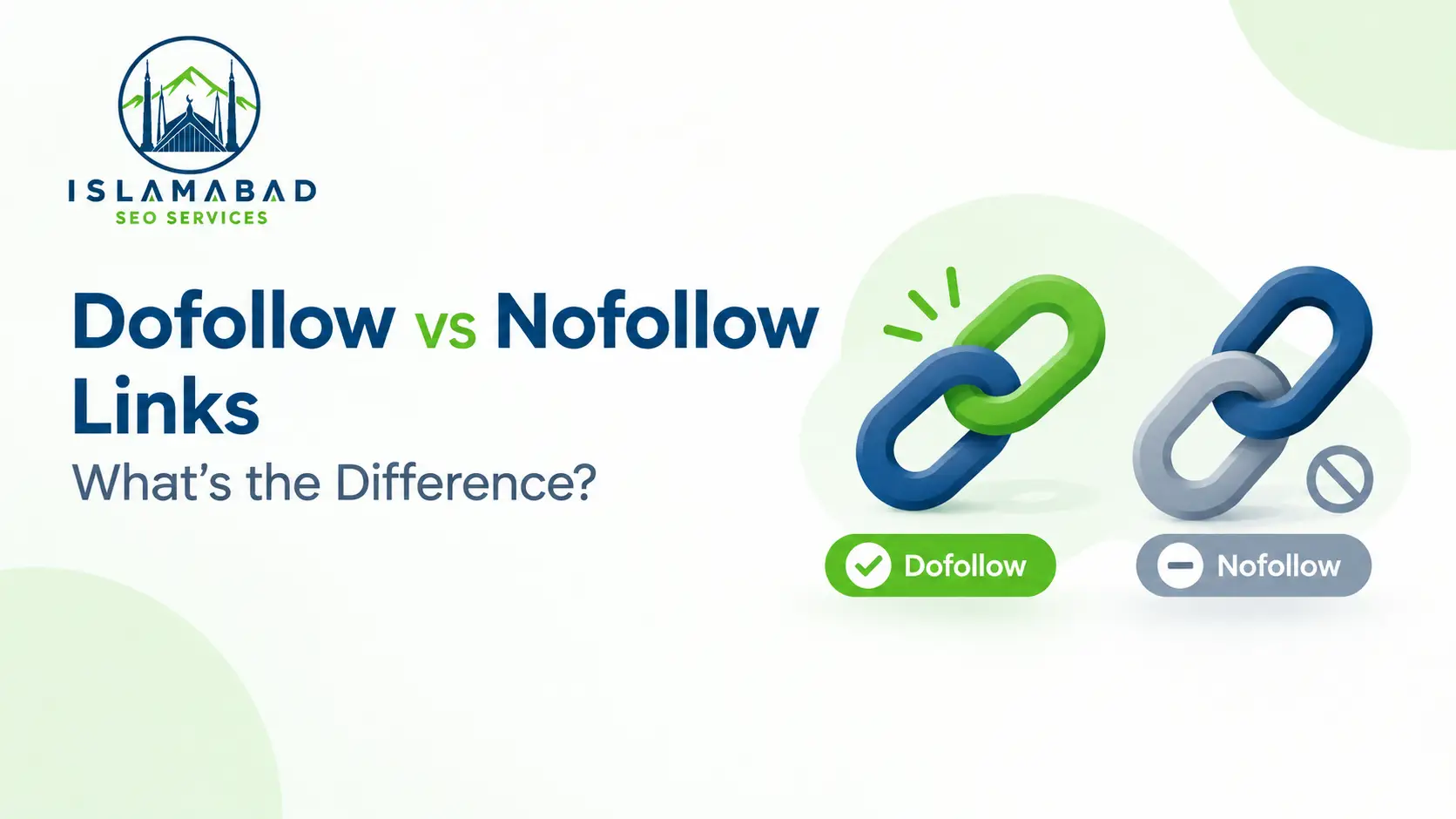
Dofollow and nofollow links are two ways websites qualify hyperlinks for search engines. A dofollow link is a normal link that can pass ranking signals to the destination page, while a nofollow link carries rel=”nofollow” and tells Google not to associate the linked page in the same way. Both link types can send referral traffic, support discovery, and expose your brand to new audiences.
Google has treated nofollow, sponsored, and ugc values as hints since 2019, with the hint treatment extending to crawling and indexing from March 2020.
What Is a Dofollow Link?
A dofollow link is a standard HTML hyperlink without a qualifying rel value that restricts the relationship. A normal link is dofollow by default, so you do not need to add rel=”dofollow” to an anchor tag.
A basic dofollow link looks like this:
<a href=”https://example.com/page”>Example page</a>
The anchor tag identifies the destination, while the href attribute specifies the URL. When a relevant website publishes a normal editorial link to your page, the link can contribute to Google’s understanding of relationships between pages and can pass ranking signals.
Dofollow links matter in link building because external links can help search engines discover pages and understand relationships across the web. Google recommends creating crawlable links and using descriptive anchor text so search engines and users can understand the destination. A strong backlink strategy therefore focuses on relevant pages, useful content, editorial context, and genuine reasons for another website to cite your resource.
What Is a Nofollow Link?
A nofollow link contains rel=”nofollow” in the anchor tag. A nofollow link tells Google not to treat the link as a normal endorsement or reliably pass ranking value through the link.
A nofollow link looks like this:
<a href=”https://example.com/page” rel=”nofollow”>Example page</a>
The nofollow attribute changes the search-engine relationship rather than removing the hyperlink itself.

Google introduced nofollow to help website owners identify links that publishers did not want to endorse, particularly links created through comment spam. Google later introduced rel=”sponsored” for paid relationships and rel=”ugc” for user-generated content. Google now treats these qualifying values as hints rather than absolute directives, which means Google may use the information when evaluating links.
What Is the Difference Between Dofollow vs Nofollow Links?
The main difference between dofollow vs nofollow links is the ranking relationship communicated to search engines. A standard dofollow link can pass ranking signals, while a nofollow link explicitly qualifies the link so the publisher does not vouch for the destination in the normal way.
Both links can generate referral traffic. Both can introduce your business to relevant audiences. Both can exist naturally within a healthy link profile. The difference concerns the search-engine signal attached to the link.
Relevance, page quality, indexability, placement, anchor text, traffic potential, and the credibility of the referring domain all affect the practical value of a backlink.
How Do Dofollow and Nofollow Links Affect SEO?
Dofollow links can contribute directly to ranking signals, while nofollow links should not be treated as reliable sources of ranking value. Your SEO strategy should therefore distinguish between ranking-oriented link acquisition and links that support referral traffic, brand exposure, discovery, or audience development.
A relevant dofollow backlink from an authoritative, indexable page can strengthen the destination page’s link signals. A nofollow backlink can still bring qualified visitors and brand exposure without providing a dependable ranking benefit.
Google’s link spam policies matter when you acquire backlinks. Buying links for ranking manipulation, exchanging links primarily to manipulate rankings, or using other schemes designed to pass ranking credit can violate Google’s spam policies. Paid and sponsored links should use qualifying attributes such as rel=”sponsored” or rel=”nofollow” where appropriate.
If you pay for placement, do not assume that a paid dofollow backlink is a safe shortcut. The commercial relationship and the intended ranking effect determine whether the link arrangement creates a policy risk.
Do Dofollow Links Pass Ranking Value?
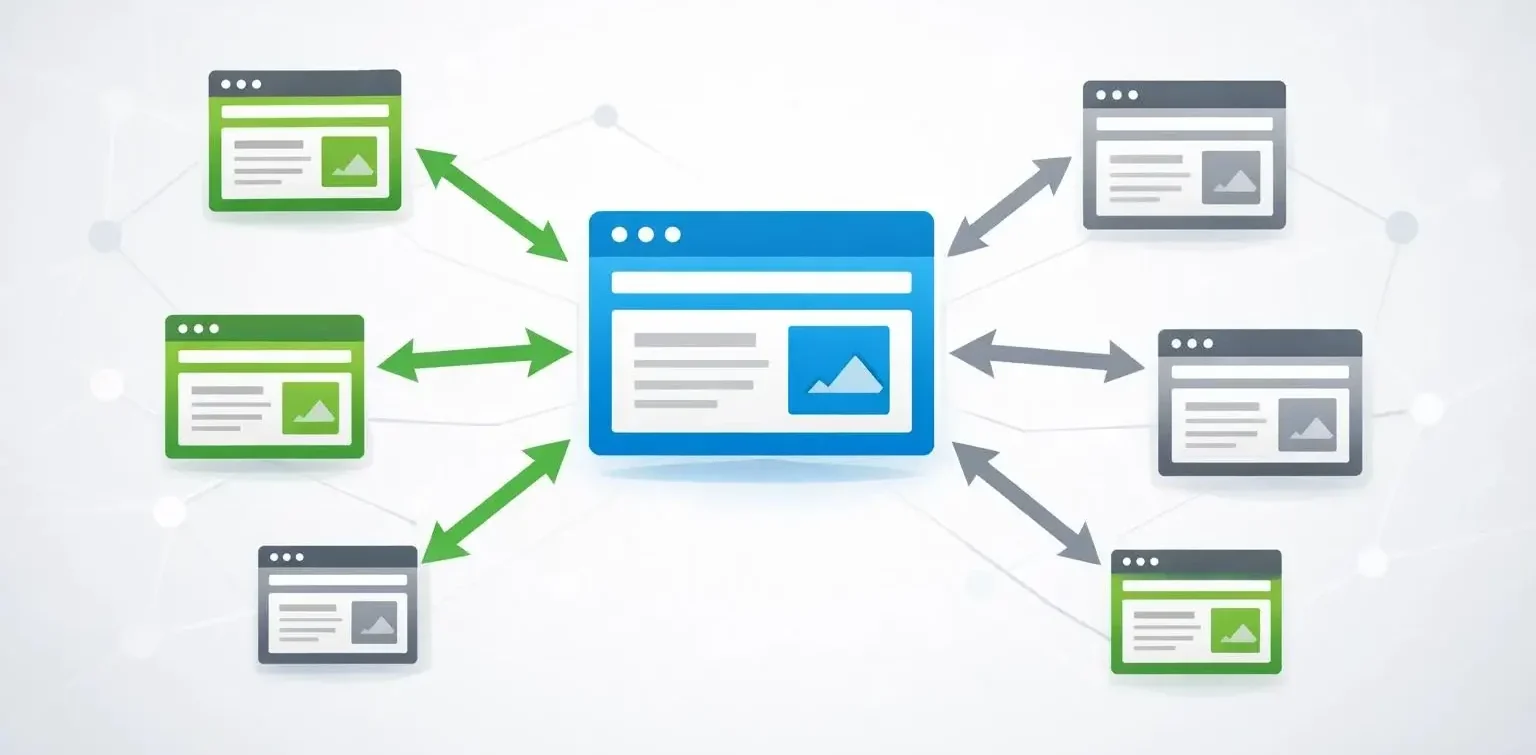
Yes, normal dofollow links can pass ranking signals to the destination page. A standard editorial link gives search engines a crawlable connection between pages and can contribute to the link signals used in ranking systems.
A link from a relevant, trusted, indexable page can be more useful than a link from an unrelated or low-quality page.
Your backlink audit should therefore examine more than dofollow status. Check the referring page’s relevance, indexability, placement, surrounding content, anchor text, outbound-link environment, and ability to attract real visitors.
In the sentence discussing how links can contribute to a site’s overall authority/value, link the phrase link equity if that exact concept is discussed there.
Do Nofollow Links Help Improve Search Rankings?
Nofollow links can support SEO indirectly, but you should not rely on nofollow links to pass ranking value. Google treats nofollow as a hint, so Google may consider qualifying information without promising the same ranking treatment as a normal link.
A nofollow backlink can still deliver referral traffic, brand visibility, audience discovery, and potential secondary exposure. A journalist, community member, customer, or industry publisher may discover your business through a nofollow link and later mention your website elsewhere.
Nofollow links can therefore form part of a natural link profile. A campaign that rejects every nofollow placement can miss valuable audiences simply because the HTML attribute does not match a ranking-focused target.
The practical rule is simple: pursue relevant editorial links for their potential ranking signals, while accepting useful nofollow placements when the referring page has genuine audience, topical relevance, or brand value.
When Should You Use Nofollow, Sponsored, or UGC?
Use rel=”sponsored” for paid or sponsored links, rel=”ugc” for user-generated content, and rel=”nofollow” when you do not want to vouch for a linked page through a standard editorial relationship.
Use rel=”sponsored” for advertisements, paid placements, affiliate relationships, and other compensated arrangements. Use rel=”ugc” for links created by users in comments, forums, community posts, or similar areas. Use rel=”nofollow” for links that do not fit the other categories and that your website does not want to endorse normally.
You can combine qualifying values when a link fits multiple relationships. For example, a paid link inside user-generated content can use appropriate combined values.
How to Tell if a Link Is Dofollow or Nofollow?
Inspect the link’s HTML and check the rel attribute to determine whether a link is dofollow or nofollow. Right-click the link in a desktop browser, select Inspect, and locate the anchor tag.
A link without rel=”nofollow”, rel=”sponsored”, or rel=”ugc” is normally a standard dofollow link. A link containing one of those qualifying values is not a standard dofollow link.
Do not confuse rel=”noopener” with rel=”nofollow”. noopener serves a browser security purpose for certain new-tab links and does not make a link nofollow.
For large backlink audits, manual inspection works well for individual placements, while structured SEO tools can evaluate referring domains, anchor text, link attributes, indexability, and lost links.
How to Evaluate a Backlink Beyond Dofollow Status
Evaluate backlink quality through relevance, indexability, placement, authority, traffic potential, and link context rather than relying on the link attribute alone. A dofollow label cannot turn an irrelevant or inaccessible page into a valuable backlink.
Check five areas during an audit:
- Relevance: Confirm that the referring page and website relate to your topic, service, product, or audience.
- Indexability: Verify that search engines can access the referring page and that technical directives do not prevent useful processing.
- Placement: Review whether the link appears naturally within meaningful content rather than in a template, footer, or unrelated block.
- Context: Assess the surrounding text, anchor wording, and relationship between the source and destination.
- Traffic: Check whether the referring page can attract visitors who have a legitimate reason to visit your website.
A backlink that passes all five checks deserves more attention than a backlink selected only because a tool labels the link dofollow.
A practical backlink review should distinguish link classification from link quality. The attribute answers one question: how does the publisher qualify the relationship? The wider audit answers different questions: whether the source is relevant, whether the page can be indexed, whether users can reach the destination, and whether the placement reflects a genuine editorial relationship. This distinction prevents common reporting errors or arbitrary targets. A report that labels every dofollow backlink as valuable can overstate campaign performance, while a report that labels every nofollow backlink as worthless can hide meaningful referral and brand opportunities. Use link attributes as one data point within a broader evaluation framework, not as the complete definition of backlink quality.
This approach keeps link acquisition focused on useful relationships, measurable outcomes, and sustainable search visibility instead of isolated technical attributes.
Dofollow vs Nofollow Links for Link Building
Use both link types strategically, but separate ranking objectives from traffic and visibility objectives. Your link building process should prioritize useful, relevant placements rather than a fixed percentage of dofollow backlinks.
For ranking-focused acquisition, pursue editorial mentions from relevant websites with strong content and indexable pages.
Avoid campaigns built around artificial link volume. Google’s spam policies identify paid links intended to manipulate rankings, excessive link exchanges, automated link creation, and other manipulative practices as link spam.
A professional backlink audit should record link type, referring domain, referring URL, target URL, anchor text, indexability, placement, and acquisition source.
Common Mistakes With Dofollow and Nofollow Links
The most common mistake is treating the dofollow attribute as the only measure of backlink value. A technically dofollow link can have limited SEO value when the source page lacks relevance, cannot be indexed, receives no meaningful traffic, or contains excessive outbound links.
Other mistakes include adding rel=”dofollow” unnecessarily, using nofollow on every external link, leaving paid links unqualified, and assuming nofollow means useless.
A clean link profile reflects real publishing relationships rather than an artificial attempt to maximize one HTML attribute.
Dofollow vs Nofollow Links: Practical SEO Approach
Build your backlink strategy around relevance and legitimate editorial value, then use link attributes according to the relationship behind each link. Dofollow links remain important for ranking-oriented link acquisition, while nofollow, sponsored, and UGC links serve valid purposes that extend beyond direct ranking value.
For Islamabad SEO Services, a useful backlink campaign should evaluate every placement as part of the wider link profile. Review the source page, destination page, context, indexability, anchor text, traffic potential, and relationship type before judging the placement.
The goal is not to collect the highest number of dofollow links. The goal is to earn relevant links that support search visibility, referral traffic, brand discovery, and a credible online presence without creating avoidable spam risks.
Frequently Asked Questions
What is the difference between dofollow vs nofollow links?
Dofollow links can pass ranking signals, while nofollow links qualify the relationship and do not reliably pass ranking value. Both link types can remain clickable, generate referral traffic, support discovery, and expose your brand to new audiences through relevant external websites.
How do dofollow and nofollow links affect SEO?
Dofollow links can contribute directly to ranking signals, while nofollow links primarily support traffic, exposure, and discovery without reliable ranking value. Google treats nofollow as a hint, so Google may consider the link information during crawling, indexing, or evaluation.
Do dofollow links pass ranking value?
Yes, standard dofollow links can pass ranking signals to destination pages. Google uses links to discover and understand relationships between pages, but the value of a backlink depends on relevance, context, source quality, indexability, placement, and other signals rather than dofollow status alone.
Do nofollow links help improve search rankings?
Nofollow links can support SEO indirectly but should not be expected to pass ranking value reliably. Nofollow links can generate referral traffic, brand exposure, discovery, and secondary mentions, while Google’s hint-based treatment means Google may consider qualifying information without guaranteeing ranking impact.
How to check whether a link is dofollow or nofollow?
Inspect the link’s HTML and review the rel attribute to identify the link type. A standard link without qualifying values is normally dofollow, while rel=”nofollow”, rel=”sponsored”, or rel=”ugc” identifies a qualified relationship.
When should a website use dofollow vs nofollow links?
Use standard links for genuine editorial references, rel=”sponsored” for paid relationships, rel=”ugc” for user-generated links, and rel=”nofollow” when you do not want to vouch for a destination through a normal editorial relationship.