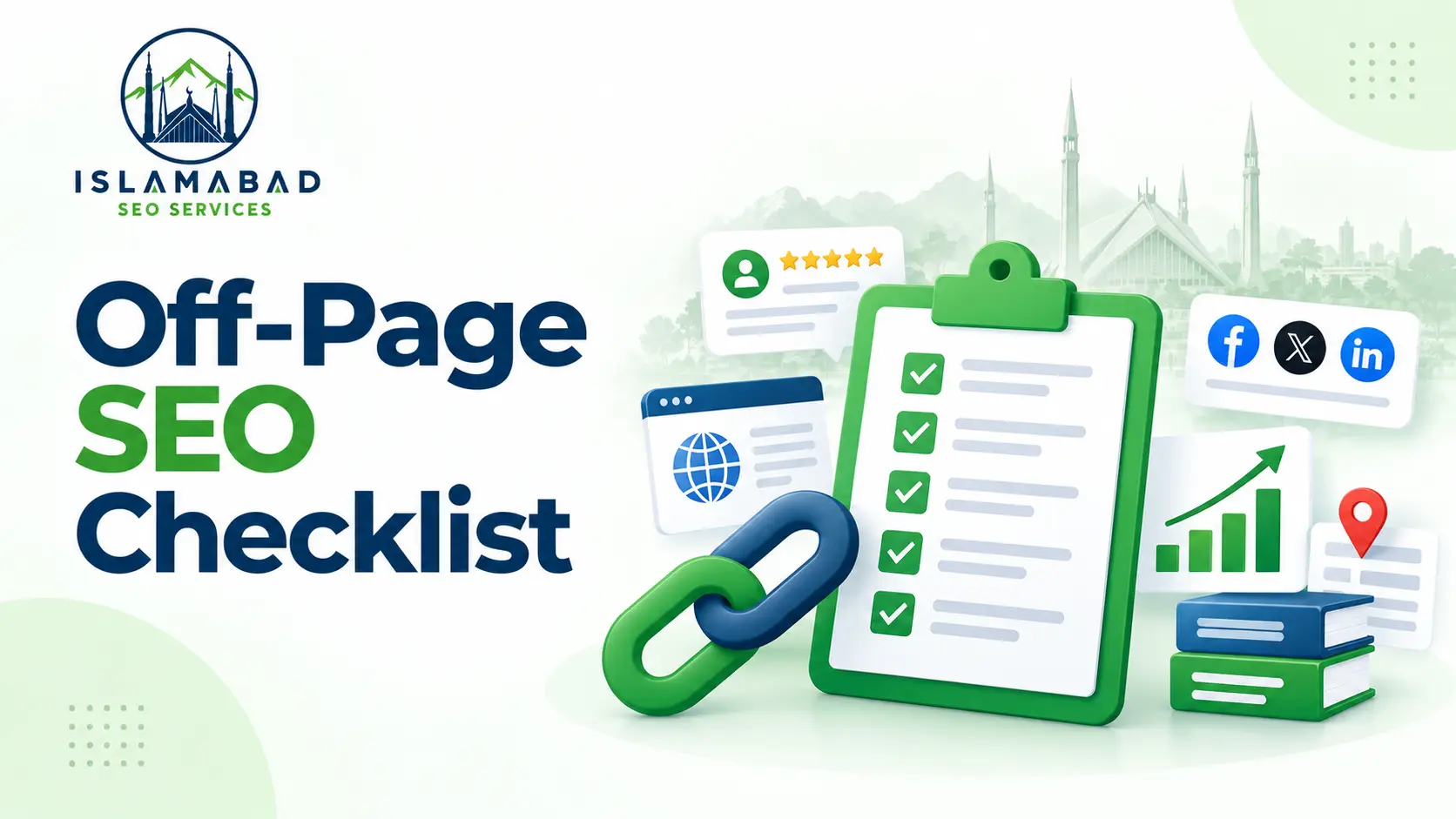
Off-page Search Engine Optimization (SEO) improves your website’s trust, authority, and visibility through activities outside your website. An effective off-page SEO checklist includes backlink audits, competitor research, digital PR, customer reviews, local citations, social media promotion, and content distribution.
The goal is to earn relevant backlinks, build relationships with trusted websites, and maintain a strong online reputation. Follow these 12 steps to find opportunities and improve your website’s search performance without using spammy methods.
Essential Steps in an Off-Page SEO Checklist
1. Audit Your Existing Backlinks
Review which websites link to your domain, which pages receive backlinks, and whether the linking sources are relevant and trustworthy.
Use Google Search Console to check available backlink data. Ahrefs, Semrush, and Moz Link Explorer provide additional information.
Evaluate backlinks based on website relevance, content quality, anchor text, link placement, and signs of manipulative activity. Separate valuable links from questionable ones, but do not assume every unfamiliar domain is harmful. Google can ignore many low-quality links without requiring action.
2. Analyze Competitor Backlinks
Competitor research helps you discover websites and publications that may link to your business. Enter your domain and competing websites into an SEO tool to compare referring domains, popular linked pages, and backlink opportunities.
Use these approaches:
- Replicate: Find relevant directories, industry associations, and legitimate business listings.
- Reproduce: Study successful tactics such as digital PR, expert interviews, and original research.
- Replace: Find broken competitor pages with valuable backlinks and create suitable replacement content.
Focus on relevance and audience value instead of copying every competitor backlink.
3. Review Your Anchor Text
Maintain a natural mix of branded, descriptive, partial-match, and generic anchor text. Excessive exact-match commercial keywords can make a backlink profile appear manipulative.
Common anchor types include branded names, descriptive phrases, article titles, generic text such as “Read the guide,” and website URLs.
Avoid fixed anchor text percentages because natural distributions vary by website and industry. Publishers should use descriptive text that fits the surrounding content.
Understand the difference between do-follow and no-follow links when reviewing backlinks. Both can generate referral traffic, although search engines treat different link attributes differently.
4. Earn High-Quality Backlinks
Prioritize relevant backlinks from trustworthy websites with useful content. Link value depends on context, relevance, placement, and source credibility rather than a third-party authority score alone.
Use these methods to earn backlinks:
- Guest posting: Write original articles for reputable industry websites.
- Broken link building: Find dead links and suggest relevant replacement resources.
- Resource pages: Recommend useful guides for relevant industry pages.
- Original research: Publish surveys, reports, and case studies that others can reference.
- Expert contributions: Share accurate information with journalists and publishers.
Businesses selling products online can explore ecommerce SEO services to support product visibility, category optimization, and organic growth.
Avoid automated submissions, private blog networks, excessive link exchanges, and paid links intended to manipulate rankings. Use appropriate link attributes for sponsored placements.

5. Recover Lost and Broken Backlinks
Recovering backlinks can restore valuable external links without requiring an entirely new outreach campaign.
Use a backlink tool or website crawler to find linked URLs that return 404 errors. Then follow these steps:
- Export broken URLs and referring domains.
- Identify a relevant replacement page.
- Restore the original page when appropriate.
- Add a 301 redirect if a permanent, relevant replacement exists.
- Ask the linking website to update the destination URL.
Do not redirect unrelated pages to your homepage just to retain backlinks. Test redirects and destination pages after implementation.
6. Reclaim Unlinked Brand Mentions
Some websites mention your business without linking to it. Contacting these publishers can create opportunities to earn relevant backlinks.
Search Google for your brand name and use Google Alerts or SEO tools to monitor new mentions. Verify each reference before contacting the publisher.
Send a short, polite message explaining how a link could help readers find additional information. Track publication URLs, contact details, outreach dates, and responses. Prioritize relevant industry websites and pages discussing your services or expertise.
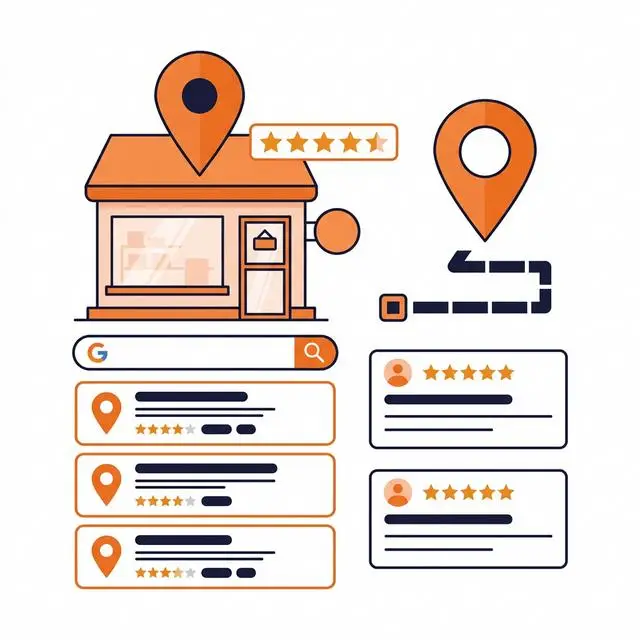
7. Improve Local Citations and Reviews
Keep your business information accurate across trusted directories and encourage genuine customers to leave honest reviews.
Check these details regularly:
- Verify your Google Business Profile and business categories.
- Keep your business name, address, and phone number (NAP) consistent.
- Update opening hours, service areas, and contact details.
- Claim relevant local and industry directory listings.
- Correct outdated information and remove duplicate listings.
Ask customers for honest feedback without offering rewards for positive ratings. Respond professionally to positive and negative reviews, and never publish fake reviews.
8. Promote Content on Social Media
Social media helps you distribute useful content, reach relevant audiences, and create opportunities for natural backlinks. Likes and shares are not established direct Google ranking factors, but promotion can attract visitors, citations, and editorial attention.
Share articles, case studies, research, and resources on platforms your audience uses. LinkedIn may suit professional services, while YouTube works well for educational videos and demonstrations.
Keep your profiles complete, use consistent branding, and provide working website links. Track referral visits, qualified leads, brand mentions, and earned backlinks rather than follower counts alone.

9. Use Digital PR and Outreach
Digital public relations helps businesses earn media coverage, editorial links, and brand recognition.
Create useful material such as original research, surveys, expert commentary, industry reports, or local business stories. Identify publications that cover your subject and personalize your outreach.
Provide accurate facts, reliable sources, and timely responses. Avoid mass press releases without genuine news value. Measure results through relevant backlinks, referral traffic, brand mentions, and qualified enquiries.

10. Participate in Online Communities
Relevant online communities help you demonstrate expertise, understand customer questions, and attract interested visitors.
Participate in platforms such as Reddit, Quora, and specialist forums. Answer questions accurately, provide practical examples, and share reliable resources when needed.
Add a website link only when it supports your answer and follows the platform’s rules. Avoid repetitive comments, automated submissions, and irrelevant self-promotion.
11. Promote Images, Videos, and Documents
Original visuals and educational resources can reach audiences who might not discover your website through search.
Publish useful videos, diagrams, presentations, and research reports. Use descriptive filenames, relevant titles, accurate descriptions, and video transcripts where appropriate. Include website links when the platform permits them.
For WordPress websites, WordPress SEO services can address platform-specific optimization needs that support broader organic search efforts.
12. Distribute Content and Build Partnerships
Content distribution helps you reach new audiences through relevant platforms and professional relationships.
Republish articles only when redistribution is permitted and the arrangement benefits readers. Use suitable attribution and canonical URLs where supported. Search engines ultimately determine which version to index.
Build relationships with industry associations, complementary businesses, and relevant creators. Joint research, webinars, expert interviews, and community events can generate brand mentions, referral traffic, and editorial backlinks.
Off-Page SEO Mistakes to Avoid
Avoid these common mistakes:
- Buying manipulative links: Paid links intended to influence rankings can violate Google’s spam policies.
- Ignoring relevance: Links from unrelated websites may offer little practical value.
- Overusing exact-match anchors: Excessive commercial keywords can make a backlink profile appear unnatural.
- Disavowing links without review: Low-quality links do not automatically require disavowal.
- Ignoring reviews: Unanswered feedback can weaken customer confidence.
- Overlooking broken backlinks: External links may lead visitors to missing pages.
- Using inconsistent business details: Conflicting information can confuse customers and directories.
Google’s disavow tool is intended for specific cases involving considerable spammy or artificial backlinks and a substantial risk of manual action. Review Google’s guidance before submitting a disavow file.
How to Maintain Your Off-Page SEO Checklist
Review your backlinks, reviews, brand mentions, and outreach results monthly. Conduct a detailed backlink and competitor audit quarterly. Track new and lost referring domains, recovered links, citation accuracy, referral traffic, and qualified leads.
Assign responsibility for outreach, review management, and backlink recovery. Set realistic targets based on your website’s performance, competition, and available resources.
If you need professional support, an SEO agency in Islamabad can help identify relevant opportunities, assess backlink risks, and develop a sustainable off-page SEO strategy.
Frequently Asked Questions
What should be included in an off-page SEO checklist?
An off-page SEO checklist should include backlink audits, competitor research, link building, anchor text reviews, broken link recovery, brand mentions, digital PR, local citations, customer reviews, social media promotion, and performance tracking. Focus on trustworthy sources and avoid manipulative practices.
How can you create an effective off-page SEO checklist?
Start by auditing existing backlinks, researching competitors, finding relevant outreach opportunities, and setting measurable goals. Assign responsibilities and prioritize tasks according to relevance, potential risks, available resources, and business value.
How can social media help improve off-page SEO?
Social media distributes useful content, increases brand awareness, attracts referral traffic, and creates opportunities for editorial mentions and backlinks. Likes and shares are not established direct Google ranking factors, so measure meaningful results such as qualified visits and earned links.
How often should you review an off-page SEO checklist?
Review your checklist monthly to monitor backlinks, reviews, brand mentions, and outreach results. Conduct a detailed backlink and competitor audit quarterly, or sooner after unusual backlink activity, a manual action, or a major website migration.