
Running an e-commerce store is not just about adding products and waiting for customers to find them. With strong competition online, your website needs to appear when people search for the products you sell.
E-commerce SEO helps improve your store’s organic visibility, attract relevant visitors, and create more opportunities for sales.
What Is E-commerce SEO?
E-commerce SEO is the process of optimizing an online store so its product, category, and content pages can rank higher in organic search results.
It includes keyword research, on-page optimization, technical SEO, site structure, content, internal linking, and backlinks.
The goal is not just to get more traffic, but to attract visitors who are genuinely interested in your products.
Why Is E-commerce SEO Important?
Many shoppers use search engines to discover products, compare options, and find the best deals. If your store does not appear for relevant searches, potential customers may choose a competitor instead.
A strong e-commerce SEO strategy can help you:
- Increase organic traffic
- Reach high-intent shoppers
- Improve product visibility
- Build trust
- Reduce reliance on paid advertising
- Generate more sales
How to Do SEO for E-commerce Websites
1. Conduct E-commerce Keyword Research
Start by finding the keywords your customers use when searching for your products.
Target a mix of:
- Product and category keywords
- Long-tail keywords
- Transactional keywords
- Informational keywords
Pay attention to search intent. For example, “best running shoes” shows commercial intent, while “buy men’s running shoes online” is more transactional.
Tools such as Google Keyword Planner, Google Search Console, Ahrefs, and Semrush can help you find and evaluate keywords.
2. Optimize Product and Category Pages
Product and category pages are some of the most valuable pages on an ecommerce website.
Optimize them by:
- Creating unique title tags and meta descriptions
- Using the product or category name as the H1
- Writing unique, useful product descriptions
- Adding high-quality, optimized images
- Using descriptive alt text
- Displaying genuine customer reviews
- Adding relevant product structured data
Your content should explain the product clearly and help customers make an informed decision.
3. Create an SEO-Friendly Site Structure
A simple website structure helps both shoppers and search engines navigate your store.
For example:
Home → Shoes → Men’s Shoes → Running Shoes → Product
Organize products into logical categories and use breadcrumbs to show users where they are within your website.
Keep important pages easy to reach and use internal links to connect related products, categories, and content.
4. Optimize URLs and Manage Duplicate Content
Use short, readable URLs that clearly describe the page.
For example:
example.com/mens-running-shoes
It is better than a URL containing unnecessary numbers or parameters.
E-commerce websites can also create duplicate pages through product variations, filters, and similar categories. Use canonical URLs and other appropriate technical controls to help search engines identify the preferred version.
5. Improve Technical SEO
Technical SEO helps search engines crawl and index your store while improving the user experience.
Focus on:
- Improving page speed
- Optimizing Core Web Vitals
- Making the website mobile-friendly
- Using HTTPS
- Fixing broken links and crawl errors
- Managing 404 pages and redirects
- Creating an XML sitemap
- Reviewing robots.txt
Compress images, reduce unnecessary scripts, and remove elements that slow down your website. For stores that need more comprehensive technical and on-page optimization, e-commerce SEO services can help identify and address these issues.
6. Implement E-commerce Schema Markup
Schema markup helps search engines understand important information on your ecommerce pages.
Depending on your website, useful structured data can include:
- Product
- Offer
- Review
- Breadcrumb
- Organization
Accurate product structured data can provide search engines with information such as price, availability, and ratings and may help eligible pages appear with enhanced search results.
7. Create Helpful Content for Your Audience
Product pages alone may not cover all the searches your potential customers make.
Create useful content such as:
- Buying guides
- Product comparisons
- How-to guides
- Tutorials
- FAQs
- Product education articles
For example, a skincare store could publish a guide about choosing a moisturizer and naturally link to relevant products.
Focus on answering real customer questions instead of creating content just to target keywords.
8. Strengthen Internal Linking
Internal links connect related pages and help users discover more products and content.
For example:
Blog post → Category page → Product page
Use descriptive anchor text and link to relevant pages naturally. This also helps search engines understand your website structure.
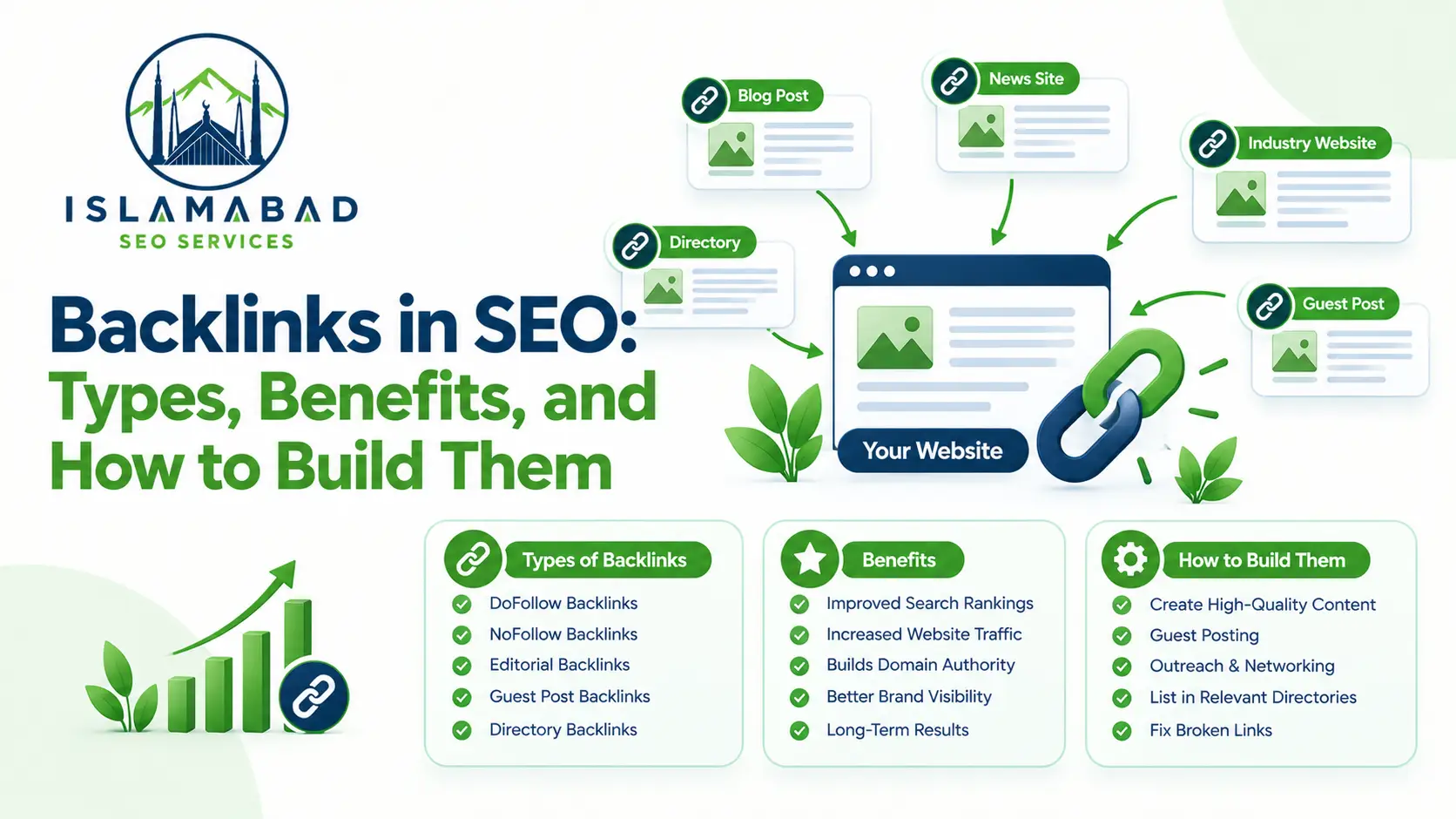
9. Build High-Quality Backlinks
Backlinks from relevant and trustworthy websites can strengthen your site’s authority.
You can earn backlinks through:
- Digital PR
- Original research
- Useful guides and resources
- Relevant industry publications
- Legitimate product reviews
- Expert contributions
Focus on quality and relevance instead of trying to collect as many links as possible. Avoid manipulative link-building practices.
10. Optimize Your Store for Conversions
SEO brings visitors to your store, but your website also needs to make purchasing easy.
Make important information easy to find, including:
- Price
- Availability
- Shipping details
- Returns
- Product specifications
- Reviews
- Payment options
Use clear calls to action and make navigation and checkout simple, especially on mobile devices.
11. Monitor and Improve E-commerce SEO Performance
SEO requires ongoing monitoring.
Use Google Search Console to track clicks, impressions, rankings, and indexing issues. Google Analytics can help you understand traffic, user behavior, and conversions.
Monitor your organic traffic, keyword performance, conversions, and revenue. Use this data to identify underperforming pages, fix issues, and find new opportunities.
Best E-commerce SEO Tools
| Tool | Best For |
| Google Search Console | Search performance and indexing |
| Google Analytics | Traffic and conversions |
| Google Keyword Planner | Keyword research |
| PageSpeed Insights | Website speed |
| Screaming Frog | Technical SEO audits |
| Ahrefs | Keywords and backlinks |
| Semrush | SEO and competitor research |
E-commerce SEO Checklist
- Research relevant keywords and search intent
- Optimize product and category pages
- Create unique product descriptions
- Optimize images and alt text
- Build a clear site structure
- Use SEO-friendly URLs
- Manage duplicate content
- Improve speed and mobile usability
- Fix technical and crawl issues
- Submit an XML sitemap
- Implement relevant schema markup
- Publish helpful content
- Strengthen internal linking
- Build relevant backlinks
- Track rankings, traffic, and conversions
Conclusion
E-commerce SEO is more than adding keywords to product pages. It combines keyword research, on-page SEO, site structure, technical optimization, helpful content, internal linking, backlinks, and conversion improvements.
By consistently improving these areas and monitoring your results, you can build stronger organic visibility, attract qualified shoppers, and create more opportunities for e-commerce sales. If you need professional help with improving your online store’s visibility, explore our SEO services for a tailored strategy.
Frequently Asked Questions
1. What is ecommerce SEO?
Ecommerce SEO is the process of optimizing an online store to rank higher in search results. It helps attract more organic traffic, reach potential customers, and increase sales without relying only on paid ads.
2. Can I do SEO for my ecommerce website myself?
Yes. You can handle basic ecommerce SEO yourself by researching keywords, optimizing product pages, improving site speed, creating useful content, and fixing technical issues. For larger stores, professional SEO support can save time and improve results.
3. How long does ecommerce SEO take to work?
Ecommerce SEO usually takes several months to show meaningful results. The timeline depends on your website’s authority, competition, technical condition, content quality, and how consistently you implement SEO improvements.
4. How do I optimize product pages for SEO?
Use relevant keywords in your product titles, descriptions, headings, URLs, image alt text, and meta tags. Add unique product descriptions, high-quality images, customer reviews, internal links, and relevant product schema.
5. Why is technical SEO important for ecommerce websites?
Technical SEO helps search engines crawl, understand, and index your store properly. A fast, mobile-friendly, secure website with a clear structure also provides a better shopping experience for visitors.
6. How can I improve my ecommerce website’s Google rankings?
Start with keyword research, optimize product and category pages, improve site speed and mobile usability, create helpful content, strengthen internal linking, fix technical issues, and earn high-quality backlinks. Regularly monitor your rankings and update your SEO strategy.