Search engine optimization (SEO) is one of the most effective ways to increase your website’s visibility and attract people who are actively searching for your products or services. However, achieving higher rankings on Google requires more than simply adding keywords to a page. A successful SEO strategy is built on several essential components that work together to improve your website’s performance.
The 4 pillars of SEO provide the foundation for long-term organic growth. Each pillar has a specific purpose, from making your website easy for search engines to crawl to creating valuable content and building authority across the web.
Understanding what are the 4 pillars of SEO can help businesses develop a balanced strategy instead of focusing on just one area. In this guide, we’ll explain each pillar, why it matters, and how they work together to improve your search rankings.
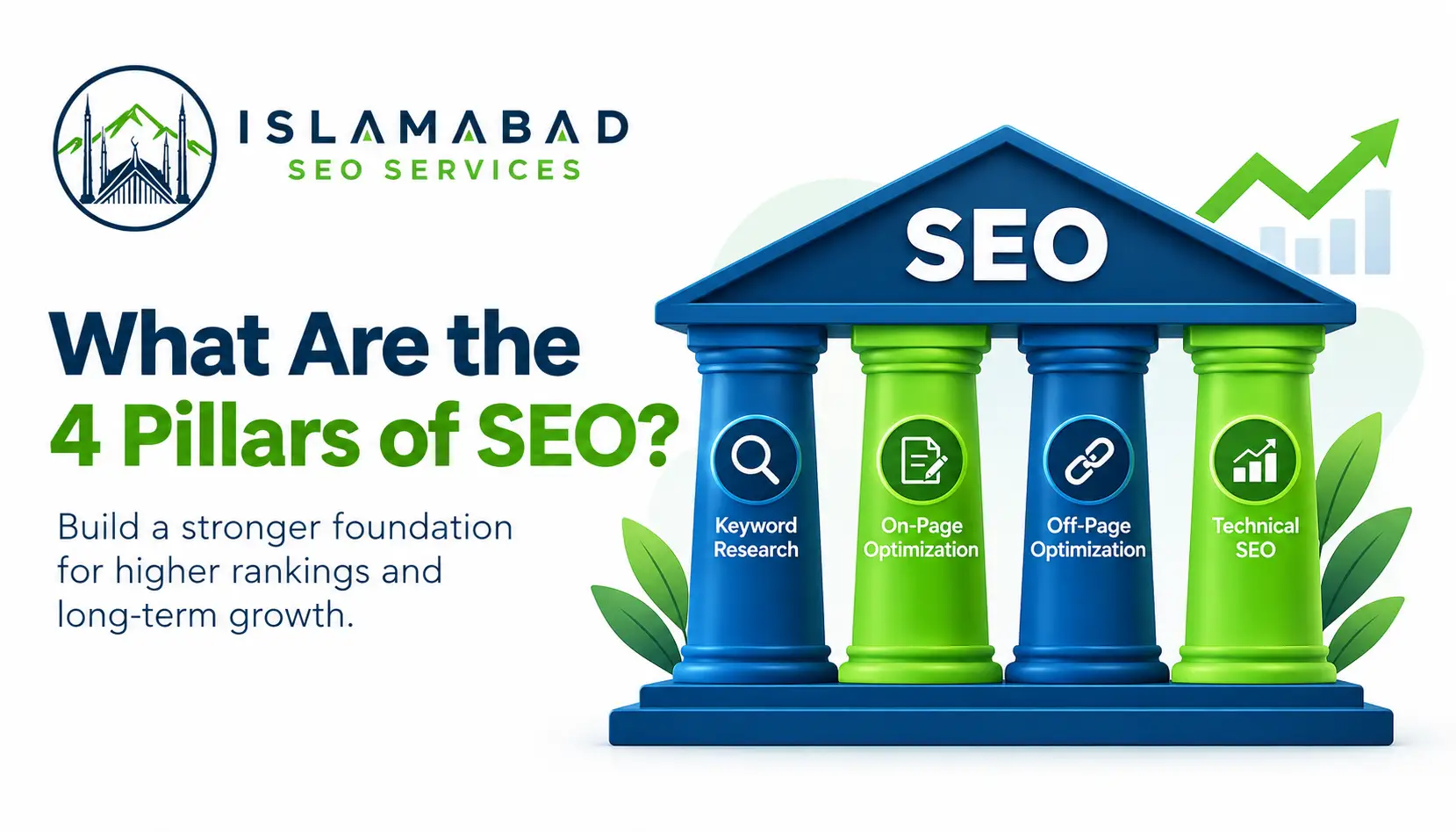
4 Pillars of SEO
The pillars of SEO are the four core areas that influence how well a website performs in search engine results. Rather than relying on a single tactic, SEO combines technical improvements, content optimization, user experience, and website authority to achieve sustainable rankings.
The four pillars are:
- Technical SEO – Ensures search engines can crawl, index, and understand your website.
- On-Page SEO – Optimizes individual pages using keywords, headings, metadata, and internal links.
- Content SEO – Focuses on creating valuable, relevant content that matches search intent.
- Off-Page SEO – Builds your website’s authority through backlinks, brand mentions, and trust signals.
When these pillars work together, they help search engines recognize your website as useful, trustworthy, and relevant to users’ searches.
Pillar 1: Technical SEO
Technical SEO focuses on the technical parts of your website that help search engines crawl, understand, and index your pages. Even high-quality content may not perform well if a website has serious technical problems.
A technically healthy website should load quickly, work properly on mobile devices, and allow search engines to access important pages without unnecessary barriers.
Crawlability and Indexing
Search engines use crawlers to discover and process website pages. Once a page is indexed, it can become eligible to appear in search results.
To support proper crawling and indexing:
- Fix broken links and redirect errors.
- Keep your website structure simple.
- Make sure important pages are not blocked.
- Check indexing issues in Google Search Console.
- Avoid unnecessary duplicate pages.
If important pages cannot be crawled or indexed, they may not appear in search results.
Site Speed and Mobile Optimization
Fast-loading pages provide a better user experience and can support better search performance. Improve website speed by compressing images, reducing unnecessary scripts, using caching, and optimizing Core Web Vitals.
Your website should also work smoothly across smartphones, tablets, and desktops. A responsive design makes content easier to access and supports a better experience for mobile users. Professional SEO services can also help identify and resolve technical issues that may affect your website’s search performance.
XML Sitemap, Robots.txt, and HTTPS
An XML sitemap helps search engines discover important pages on your website. The robots.txt file controls which areas crawlers can access, so it should be configured carefully to avoid blocking valuable content.
HTTPS secures the connection between your website and visitors and is also a lightweight Google ranking signal. Together, these technical elements help maintain a healthy and accessible website.
Pillar 2: On-Page SEO
On-Page SEO involves optimizing individual pages so search engines and users can clearly understand their purpose. It covers elements such as keywords, titles, headings, URLs, internal links, and structured data.
Effective on-page SEO is not about adding keywords everywhere. The goal is to create relevant, well-structured pages that naturally satisfy the user’s search.
Keyword Optimization
Start by identifying the terms your audience uses when searching for information, products, or services. Use your primary keyword naturally in important areas such as the title, H1, introduction, and relevant headings.
Related terms and variations can also help provide context. Avoid keyword stuffing because excessive or unnatural keyword use can make content difficult to read.
Titles, Meta Descriptions, and Headings
Your title tag should clearly describe the page and include the main keyword when appropriate. A useful meta description gives searchers a concise reason to visit the page.
Use headings to organize the content:
- Use one clear H1 for the main topic.
- Use H2s for major sections.
- Use H3s when further breakdown is needed.
- Keep headings descriptive and relevant.
A logical heading structure makes pages easier to scan and helps search engines understand the relationship between different sections.
URLs, Internal Links, and Schema Markup
Create short, descriptive URLs that clearly communicate the page topic.
Good: yourwebsite.com/pillars-of-seo
Poor: yourwebsite.com/page?id=25489
Internal links connect related pages and help users discover more information. They also help search engines understand your website structure and discover important content.
Schema markup provides search engines with additional information about a page. Depending on the content, structured data can make a page eligible for enhanced search features such as product details, ratings, or other rich results.
Pillar 3: Content SEO
Content SEO focuses on producing useful, relevant, and accurate information that meets the needs of your target audience. Technical optimization can make a page accessible, but valuable content gives search engines a reason to rank it.
The strongest content is created for people first while naturally incorporating SEO best practices.
Creating Helpful Content
Good SEO content should answer questions, solve problems, or provide useful information. It should be original, accurate, easy to read, and organized logically.
Before publishing, ask whether the content actually provides the information a visitor came to find. Content that offers genuine value is more likely to earn engagement, shares, mentions, and links.
Search Intent and Topical Authority
Search intent is the reason behind a user’s query. For example, someone searching for “what are the 4 pillars of SEO” is looking for an explanation or guide, not a product page.
Matching the format and depth of your content to that intent improves its usefulness.
You can also build topical authority by covering related subjects within your niche instead of publishing unrelated articles. A website about SEO, for example, could cover keyword research, technical SEO, content optimization, link building, and local SEO. Businesses selling products online can also benefit from dedicated e-commerce SEO strategies.
Content Freshness and Content Updates
Important content should be reviewed regularly to keep it accurate and useful. Update outdated information, replace broken links, add relevant examples, and improve sections that no longer fully answer the user’s needs.
Not every page needs frequent changes, but content affected by changing information should be reviewed when necessary.
Pillar 4: Off-Page SEO
Off-Page SEO covers activities outside your website that can help build its authority, reputation, and visibility. While On-Page SEO explains what your website offers, Off-Page SEO helps establish trust around it.
The focus should be on earning genuine recognition rather than trying to manipulate search rankings.
Building High-Quality Backlinks
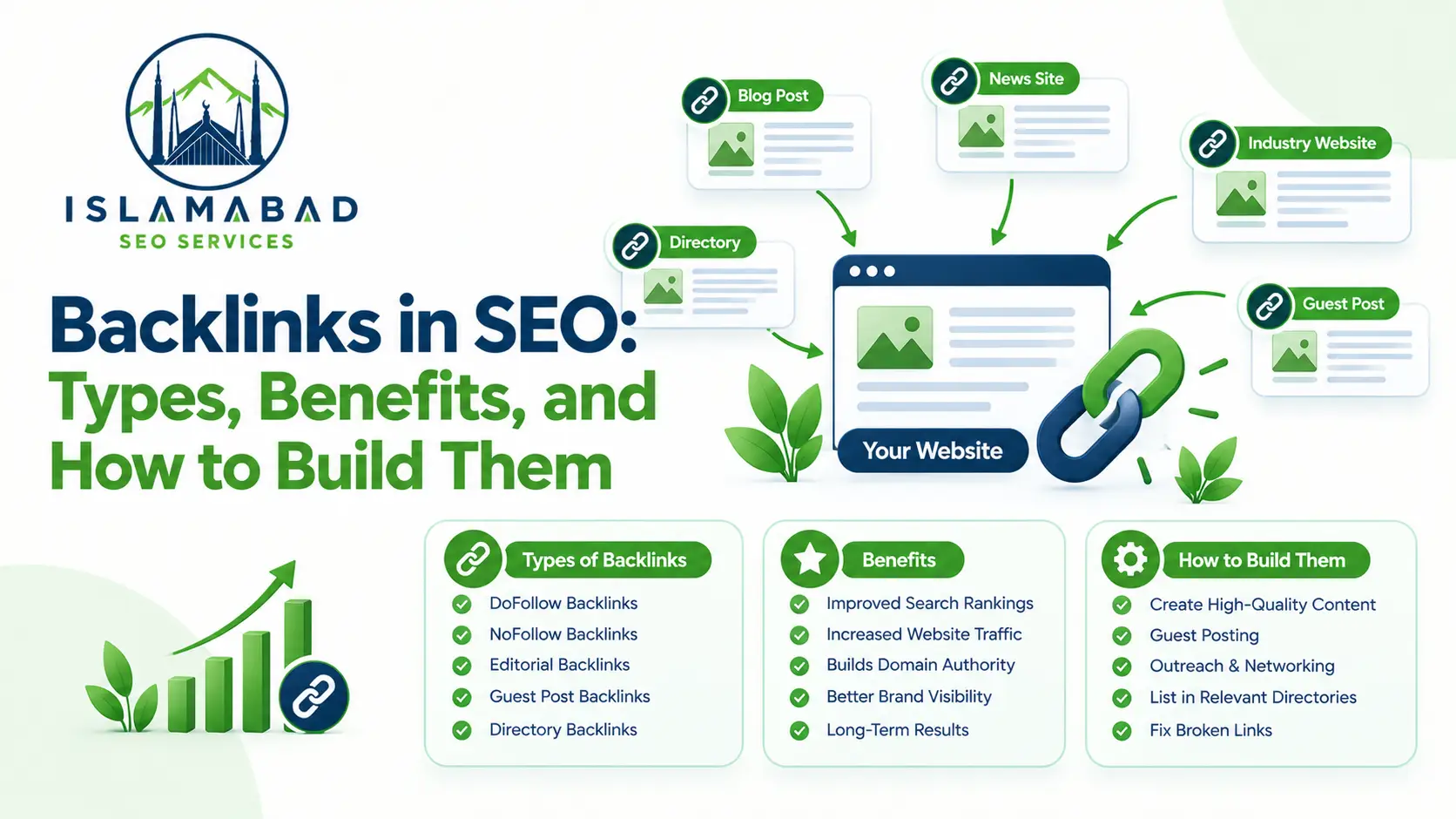
A backlink is a link from another website to your website. Links from relevant, reputable websites can strengthen your site’s authority and help search engines discover your content.
Quality matters more than quantity. Useful ways to earn backlinks include:
- Publishing original and useful resources.
- Creating research, guides, or case studies.
- Contributing relevant guest content.
- Building relationships within your industry.
- Earning mentions from reputable websites.
Avoid relying on spammy or low-quality link-building practices. The aim should be to earn links because your content is genuinely worth referencing.
Brand Authority, Local SEO, and Reviews
Off-page SEO also extends beyond traditional link building. Brand mentions, customer reviews, and a consistent online presence can help strengthen your business’s reputation.
For local businesses, optimize your Google Business Profile and keep important business information consistent across relevant directories. Your business name, address, and phone number should be accurate wherever they appear.
Genuine customer reviews can also help build trust with potential customers and strengthen your local online presence. Combined with quality backlinks and brand recognition, these signals contribute to a stronger overall SEO strategy.
How the 4 Pillars of SEO Work Together
Each SEO pillar plays a different role, but none of them delivers the best results on its own.
Technical SEO ensures your website can be crawled, indexed, and accessed without issues. On-Page SEO helps search engines understand the purpose of each page. Content SEO provides valuable information that satisfies user intent, while Off-Page SEO builds the authority needed to compete with other websites.
Think of your SEO strategy as building a house. Technical SEO is the foundation, On-Page SEO shapes each room, Content SEO fills the house with value, and Off-Page SEO strengthens its reputation in the neighborhood. If one pillar is weak, the overall performance of your website can suffer.
Businesses that invest in all four pillars create a balanced SEO strategy that supports sustainable rankings, consistent organic traffic, and long-term growth.
Common SEO Mistakes to Avoid
Even with a solid SEO strategy, certain mistakes can prevent your website from reaching its full potential. Avoiding these common issues will help improve both user experience and search performance.
- Ignoring technical issues such as broken links, slow loading speeds, or indexing errors.
- Using keywords excessively instead of writing naturally.
- Publishing thin or duplicate content that offers little value.
- Neglecting mobile optimization and page speed.
- Building low-quality or spammy backlinks.
- Forgetting to update outdated content.
- Having poor internal linking between related pages.
- Writing content without understanding search intent.
Regular SEO audits can help identify these problems early and keep your website performing at its best.
Conclusion
The 4 pillars of SEO provide a complete framework for improving your website’s search performance. Technical SEO creates a strong foundation, On-Page SEO optimizes individual pages, Content SEO delivers valuable information, and Off-Page SEO builds trust and authority.
Focusing on just one pillar may produce limited results, but combining all four creates a balanced strategy that supports higher rankings and sustainable organic growth. As search engines continue to evolve, businesses that consistently improve each pillar will be better positioned to attract qualified traffic and stay ahead of the competition.
Frequently Asked Questions
What are the 4 pillars of SEO?
The four pillars of SEO are Technical SEO, On-Page SEO, Content SEO, and Off-Page SEO. Together, they help improve a website’s visibility, user experience, and search engine rankings.
Which SEO pillar is the most important?
All four pillars are equally important because they work together. Strong content cannot perform well without good technical SEO, and even well-optimized pages benefit from high-quality backlinks and authority.
Why are the 4 pillars of SEO important for a website?
The 4 pillars of SEO work together to improve your website’s visibility, user experience, and search rankings. Technical and On-Page SEO help search engines understand your site, while Content and Off-Page SEO build value, authority, and trust.
Can I do SEO without backlinks?
Yes, you can improve SEO through technical optimization, quality content, keyword targeting, and on-page SEO. However, backlinks can still help build website authority and improve rankings for competitive keywords.